

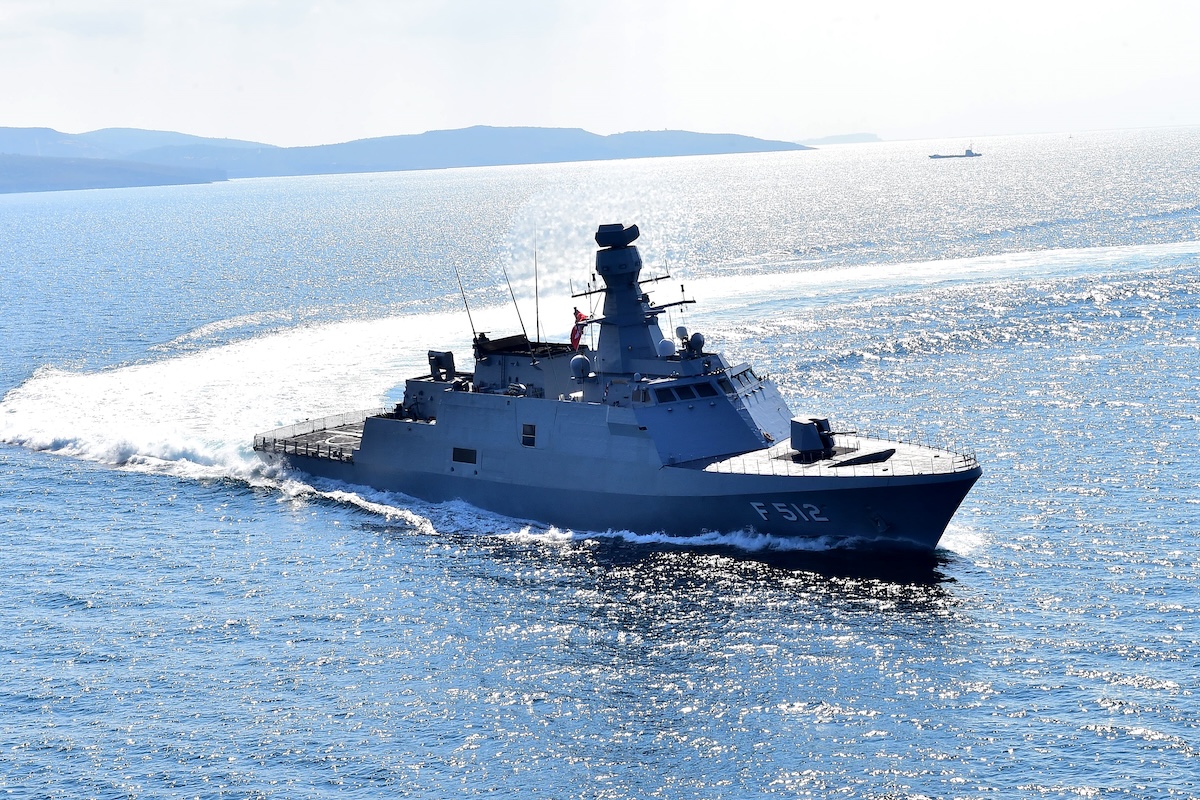

Introduction | The Birth of a Revolution at Sea
A nation’s ability to design and build its own warships is not merely an engineering achievement. It is the most tangible manifestation of maritime sovereignty, strategic independence, and political will.
With the MİLGEM (National Ship) Project, Türkiye moved beyond decades of foreign-dependent procurement practices and transitioned from second-hand or operationally restricted platforms to indigenous warships that reflect its own naval doctrine.
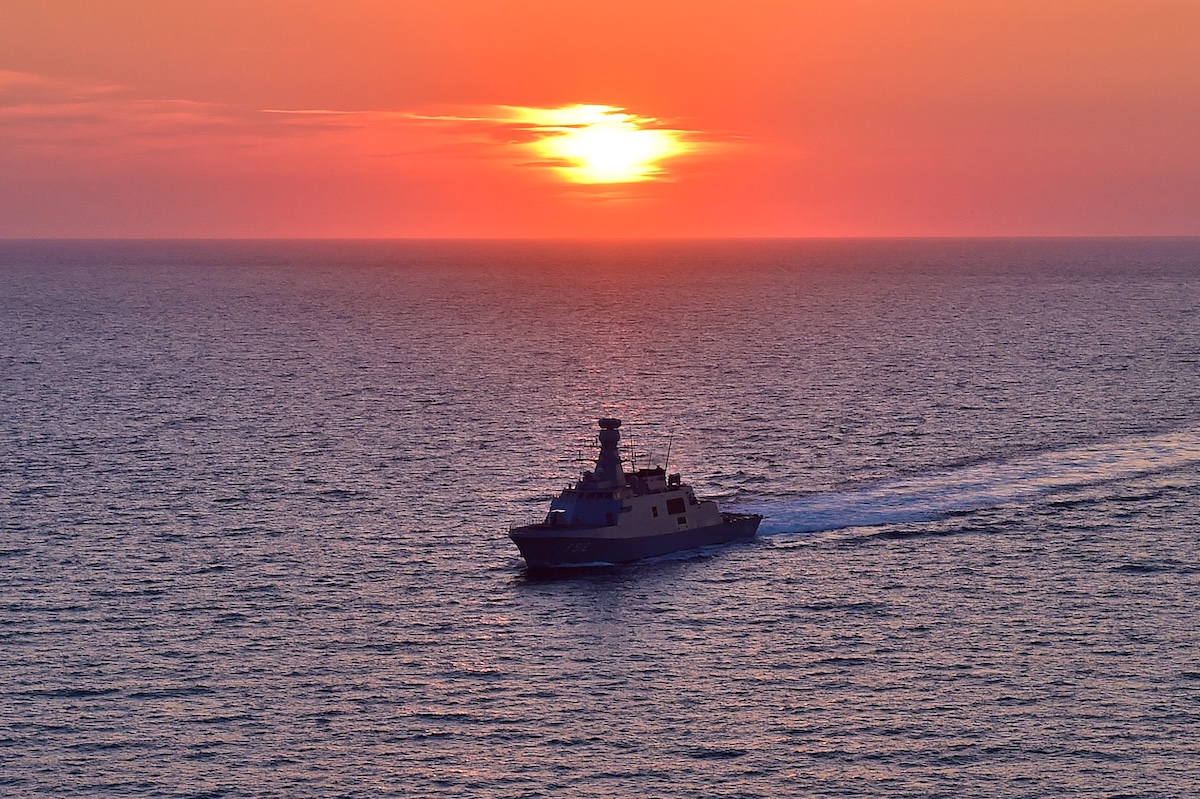
The first and most critical operational embodiment of this transformation is the Ada-class corvettes. Developed with a primary focus on anti-submarine warfare (ASW), these vessels form the backbone of Türkiye’s surveillance, control, and deterrence posture over its continental shelf, territorial waters, and Exclusive Economic Zone (EEZ) within the framework of the Blue Homeland doctrine.
The Ada class represents not merely surface combatants, but digital fortresses that carry Türkiye’s geopolitical weight at sea through their sensors, software architecture, and network-centric warfare capabilities.
Project Inception and Organization | A Quiet but Determined Journey
The MİLGEM Project was not the result of a sudden political decision. As early as the mid-1990s, the Turkish Naval Forces began exploring national capabilities with the objective of designing an indigenous warship.
The official decision to initiate the project was taken on 15 February 2000, and the MİLGEM Project Office was established on 12 March 2004 under the Istanbul Naval Shipyard Command to coordinate design and construction activities.
STM was appointed as the prime contractor, while more than 50 domestic companies—most notably ASELSAN, HAVELSAN, and ROKETSAN—took part in system supply and integration processes.
This structure enabled Türkiye, for the first time, to establish a fully indigenous, multi-disciplinary warship ecosystem.
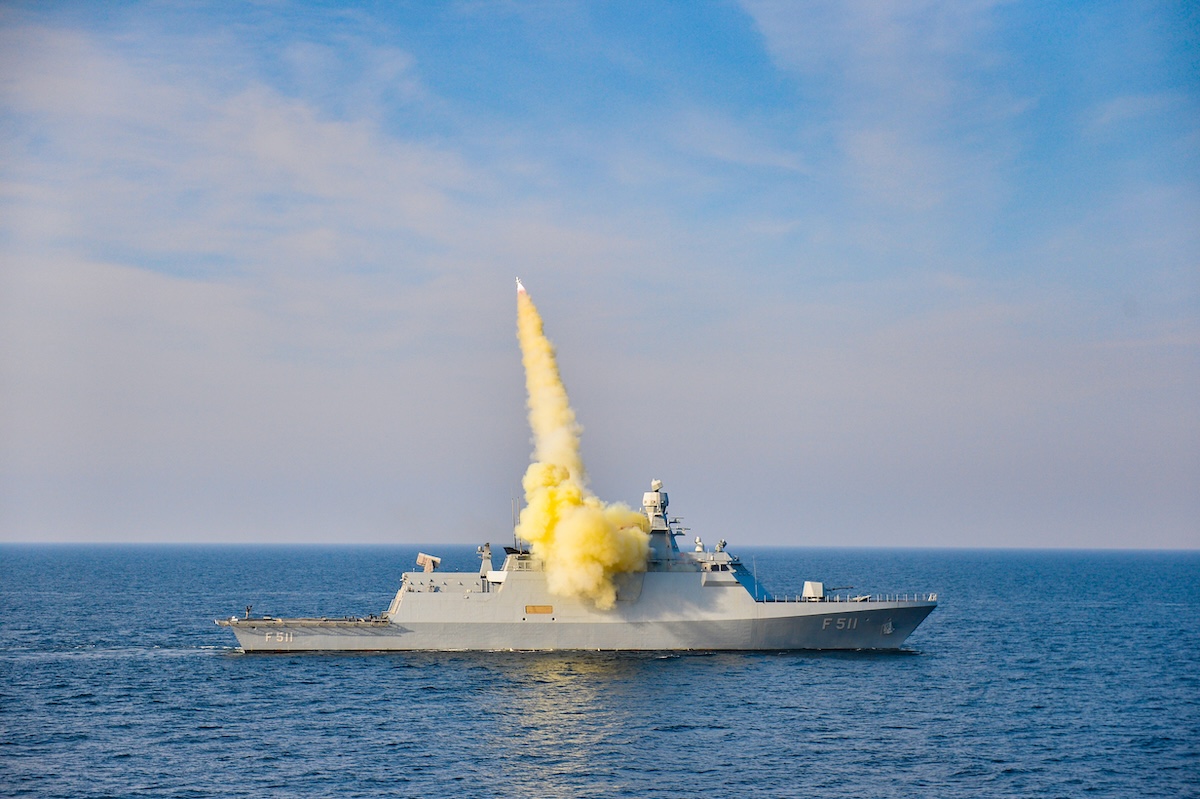
Mission Profile of the Ada Class | Sustained Power in the Blue Homeland
Ada-class corvettes were primarily designed for anti-submarine warfare and maritime patrol missions. However, their operational scope extends far beyond these roles.
These platforms are effectively employed across a wide spectrum of missions, including:
- Intelligence, surveillance, and reconnaissance
- Early warning
- Surface warfare
- Amphibious operation support
- Maritime traffic security
- Counter-terrorism operations
- Counter–irregular migration
- Protection of critical maritime infrastructure
Thanks to its stealth architecture, the Ada class can operate undetected in complex littoral environments while simultaneously detecting and engaging air, surface, and subsurface threats.
The embarked S-70B Seahawk helicopter and UAV integration significantly extend anti-submarine warfare reach and search-and-rescue (SAR) capabilities. The deployment of TCG Burgazada for security operations during the FIFA World Cup in Qatar demonstrated the Ada class’s effectiveness in international missions.
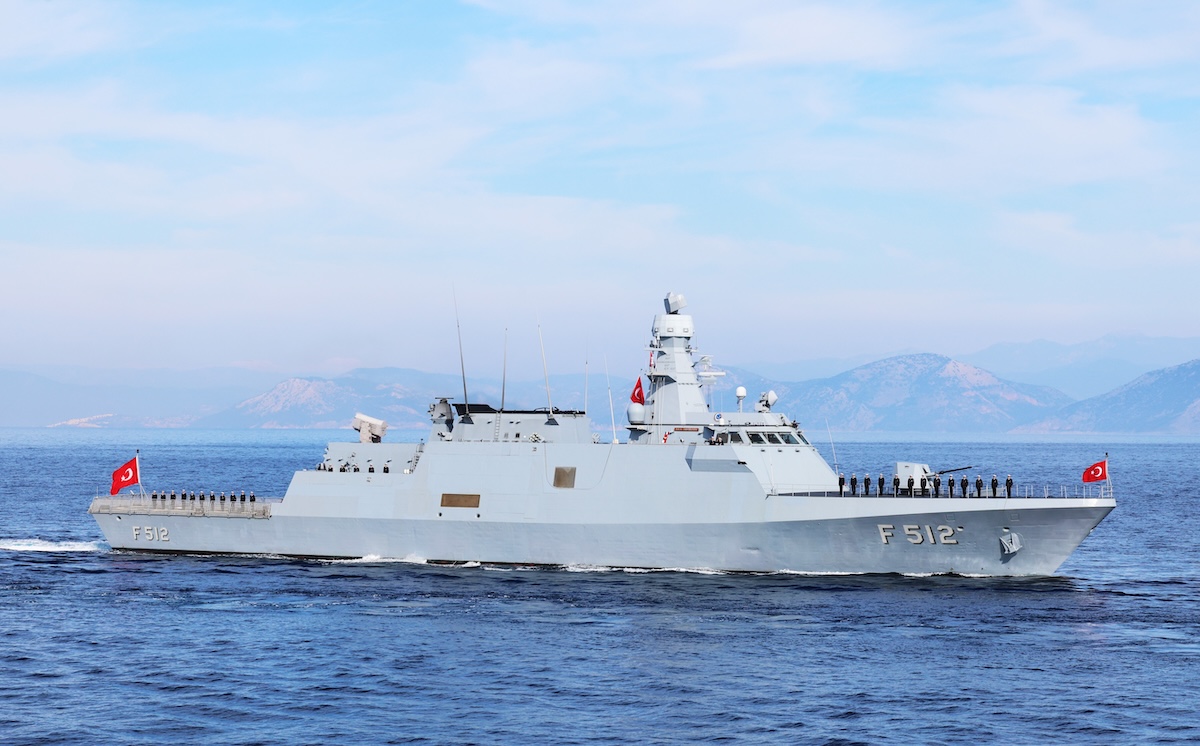
1. Not Just a Ship, but an “Invisible” Fortress
Low observability lies at the core of the Ada-class design philosophy. Radar cross-section–reducing angled surfaces, a main gun housed within a stealth cupola, and comprehensive signature management aim to keep the ship outside the adversary’s detection chain.
The minimization of acoustic, magnetic, and infrared signatures makes the Ada class a silent yet lethal platform, particularly in anti-submarine warfare.
This approach provides Türkiye with a significant A2/AD (Anti-Access/Area Denial) advantage in dense and contested operational environments such as the Aegean and the Eastern Mediterranean.
2. A Digital Brain: ADVENT Combat Management System
The true power of a modern warship is measured not by the weapons it carries, but by the digital architecture that controls them.
The ADVENT Combat Management System employed on Ada-class corvettes abandons platform-centric thinking in favor of network-centric warfare. The system transforms the ship from a standalone unit into an integrated digital node within the fleet.
Shared tactical picture, cooperative engagement, and decision-support capabilities significantly reduce command-and-control timelines, allowing the Ada class to fully match the tempo of modern naval warfare.
3. ARES-2N | Guardian of Electromagnetic Silence
Modern naval engagements are often decided within the electromagnetic spectrum long before missiles are launched.
The ARES-2N Radar Electronic Support System fitted on the Ada class is capable of detecting low-probability-of-intercept radars, performing single-pulse direction finding, and covering a wide frequency spectrum.
As a result, the ship sees without being seen and listens without being heard. Passive stealth becomes an active survival strategy.
Project Evolution | From Corvettes to Destroyers
The MİLGEM Project is not limited to a corvette program. A three-stage evolutionary path was envisioned:
- Ada-Class Corvettes – First generation focused on anti-submarine warfare
- Istanbul (İ) Class Frigates – Enhanced air defense and sensor capabilities
- TF-2000 Class Destroyers – High-end platforms capable of area air defense warfare
This structure clearly demonstrates Türkiye’s intent to achieve a holistic transformation in naval warfare doctrine.
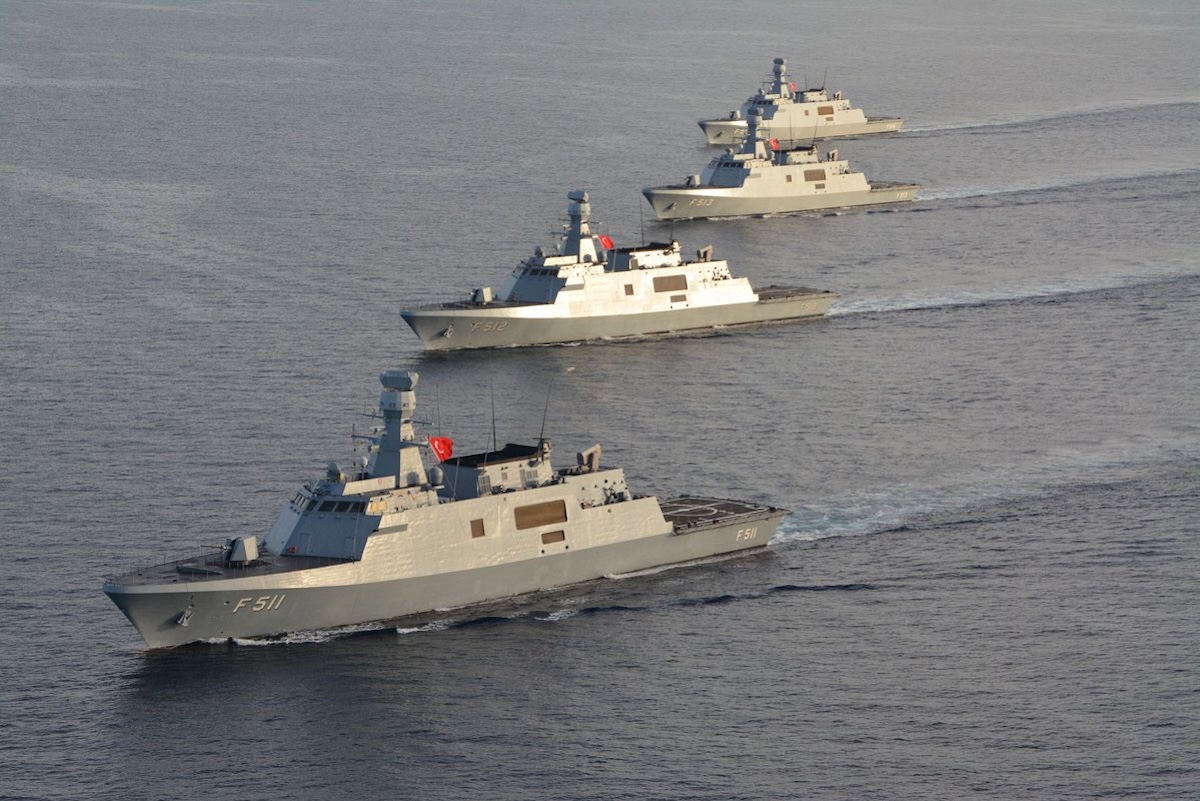
Milestones | Timeline of the Ada Class
- 26 July 2005 – Construction of TCG Heybeliada commenced
- 27 September 2008 – TCG Heybeliada launched
- 27 September 2011 – TCG Heybeliada commissioned
- 27 September 2013 – TCG Büyükada commissioned
- 4 November 2018 – TCG Burgazada delivered
- 29 September 2019 – TCG Kınalıada commissioned
During this process, the localization rate increased from approximately 60 percent to over 70 percent. Each ship of the class is named after a Turkish island from the Princes’ Islands located in the southeastern Marmara Sea. The lead ship, TCG Heybeliada, takes its name from Heybeliada Island, home to the Turkish Naval High School.
4. A Global Brand: MİLGEM on the Export Stage
Variants developed for Pakistan, Ukraine, and Malaysia have demonstrated the Ada class’s scalable and flexible design.
Vertical launching systems, advanced radar suites, and diverse air-defense configurations have positioned MİLGEM as a globally competitive naval platform.
5. A Testbed for the Future: Transition to a Sovereign Fleet
The Ada class has served as a platform for learning and maturation for Türkiye. The limitations of foreign systems accelerated the development of indigenous solutions.
This accumulated experience paved the way for the national vertical launch system, indigenous anti-ship missiles, and domestic sensor architectures, forming the foundation of the Istanbul-class frigates and the TF-2000 program.
Conclusion
Ada-class corvettes are strategic assets that ensure Türkiye’s maritime deterrence remains quiet yet continuous.
At this stage, the critical question to ask is:
To what extent can a navy shaped by full independence, network-centric operations, and indigenous sensor–weapon architecture influence the global balance of power?
The Ada class’s journey from the Black Sea to the Indian Ocean suggests that the answer to this question is already being written at sea.



